

 See My Latest Article on HelloNation

What Should Buyers in Grand Rapids, MI Look Out For During a Home Viewing?
Before making an offer on a home, local residents want peace of mind that they aren’t buying hidden problems. There are several warning signs that can indicate bigger issues below the surface. Catching these during a walk-through can save area households from expensive surprises and help buyers make confident decisions.
Are There Signs of Past or Active Water Damage?
Water is a leading concern for homes in Grand Rapids, especially with fluctuating seasonal rain, snow, and freeze-thaw cycles. Evidence of water issues can show up in subtle or obvious ways.
Look for:
- Musty smells, which often suggest basement or crawlspace moisture
- Water stains or discoloration on ceilings, walls, or around windows
- Bubbling, peeling, or puckered paint
- Soft, spongy, or uneven flooring, particularly near doors, bathrooms, and basements
Grand Rapids homes with finished basements should be checked for signs of previous flooding. Pay special attention to the corners and walls for fresh paint or patched drywall, which may be attempts to cover up water issues.
How Can Structural Problems Be Spotted?
Structural integrity is vital, especially in neighborhoods where homes are over a century old. While only an expert can fully assess a home’s bones, basic clues may suggest underlying trouble.
Keep an eye out for:
- Large cracks in the foundation, basement walls, or above doorways and windows
- Doors or windows that are difficult to open or close (possible settling)
- Sloping or uneven floors, noticeable when walking through older homes
A few hairline surface cracks are common in any Michigan basement; wider gaps or shifting can be warning flags. If the floors seem noticeably slanted or you hear significant creaking, ask about the home’s age and any history of settling or repairs.
Are There Issues with Heating, Cooling, or Plumbing Systems?
With cold winters and humid summers, reliable systems are crucial for Grand Rapids residents. Outdated or malfunctioning equipment can mean high utility bills or sudden breakdowns.
During a viewing, check:
- The age and condition of the furnace, air conditioning unit, and water heater (tags or stickers show service dates)
- Unusual noises or odors coming from mechanical rooms or utility closets
- Visible rust, leaks, or mineral buildup around plumbing pipes and fixtures
It’s not always possible to test heat or A/C during a walk-through, but visible neglect—like piles of dust, corrosion, or disconnected vents—may point to deferred maintenance. Look under sinks for evidence of leaks or stains on cabinet bases, as these small issues are often overlooked.
What About Electrical Safety and Outdated Wiring?
Many Grand Rapids homes were built before modern electrical standards. Faulty or old wiring isn’t always visible, but some clues suggest updates may be needed.
Check for:
- An outdated or overloaded circuit breaker panel (fuse boxes are often a sign of aging systems)
- Burn marks or discoloration around outlets and switch plates
- Too few outlets for modern needs, or lots of extension cords snaking along walls
Flickering lights or switches that don’t work are easy to notice, but even tidy homes can hide outdated wiring systems. Homeowners often try to “dress up” old fixtures, so a thorough look at the panel box can reveal more than the décor.
Are There Red Flags in the Attic, Roof, or Exterior?
Michigan weather takes a toll on roofs and exteriors. Configurations vary in the city depending on the neighborhood, but long winters mean checking for insulation and water-proofing measures is especially relevant.
When possible, look at:
- The condition of roof shingles—missing, curling, or damaged shingles invite leaks
- Gutters and downspouts, which should direct water well away from the foundation
- Evidence of animals nesting in attics or eaves (chewed material, droppings)
- Attic insulation—thin, patchy, or missing insulation can signal higher heating costs in winter
If snow buildup is common in a neighborhood, check for ice dam damage or heavy icicle stains under rooflines. Wet spots, mold, or drooping insulation in the attic can mean ventilation or leak problems.
What Are Common Hidden and Overlooked Red Flags?
Not every warning sign is obvious. In Grand Rapids, where many homes have been remodeled multiple times over the decades, some issues might be disguised or easy to miss.
Take special note of:
- Rooms that seem unusually cold, warm, or humid compared to the rest of the home
- Strong scents (cleaner, air freshener) that might be covering odors from pets, smoke, mold, or moisture
- Windows that seem painted shut or can’t open—this may hide drafts or hardware problems, but it also reduces ventilation
- DIY repairs or inconsistent finishes, such as mismatched tiles, awkward trim, or uneven flooring transitions
In areas with newer housing, “builder grade” finishes may show wear quickly or require upgrades sooner than expected. Open and close every interior door—sticking or uneven doors can signal shifting or foundation settling even in relatively young homes.
Should Buyers Worry About Pests or Insects in Grand Rapids?
While pests are a concern in any region, local households often watch for signs of termites, carpenter ants, and mice, especially in older homes or neighborhoods with mature trees.
Clues include:
- Small, pellet-like droppings in basements, attics, or closets
- Sawdust piles or tiny holes in woodwork or trim (evidence of wood-boring insects)
- Gnaw marks on wiring or along baseboards
A quick look around the home’s perimeter for gaps, crumbling brick, or rotted siding can help spot possible entries.
How Can Home Shoppers Interpret “Too Good to Be True” Presentation?
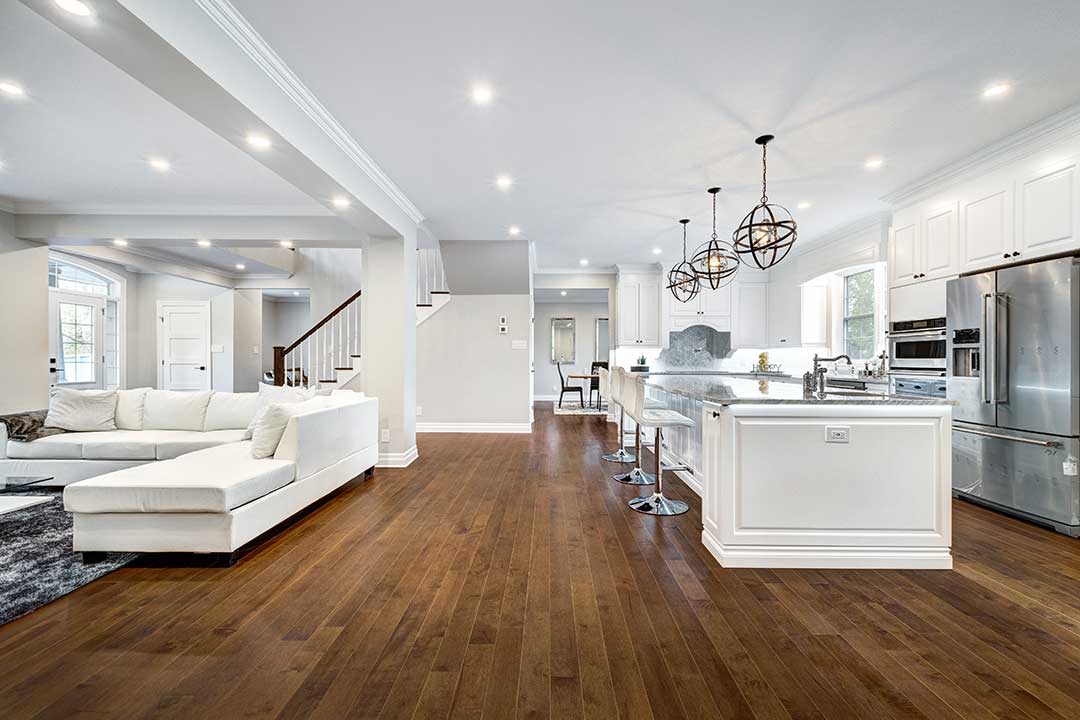
If a house appears staged and spotless, it’s wise to look beyond surface impressions. Grand Rapids buyers sometimes assume that modern fixtures, fresh paint, and trendy staging mean fewer problems, but new aesthetics can be used to mask flaws.
During a showing:
- Lift rugs and check beneath furniture when appropriate
- Look around newly finished basements and bathrooms for musty air or hidden plumbing insertions
- Open cupboards, check behind shower curtains, and inspect inside closets
A new paint job, especially in certain rooms or only part of a wall or ceiling, can mean an effort to hide stains, patches, or old smoke and water marks. Don’t hesitate to ask about recent improvements or repairs, but remain vigilant for work that appears rushed or incomplete.
What Questions Should Grand Rapids Homebuyers Ask During a Viewing?
In addition to observing with a critical eye, local residents benefit from actively asking about:
- The age and last service dates of the roof, furnace, and major systems
- Any history of water damage, flooding, or foundation repair
- Average utility costs for all four seasons
- Past pest control measures and recurring wildlife issues
Buyers who are prepared with targeted questions and stay observant throughout the walkthrough or open house gain an extra layer of protection against overlooked issues. Most red flags are manageable with early awareness; spotting them before making an offer gives area households the best opportunity to buy with clarity and confidence.